



Natural Disaster Prep 101: Teaching Your Child How to Respond
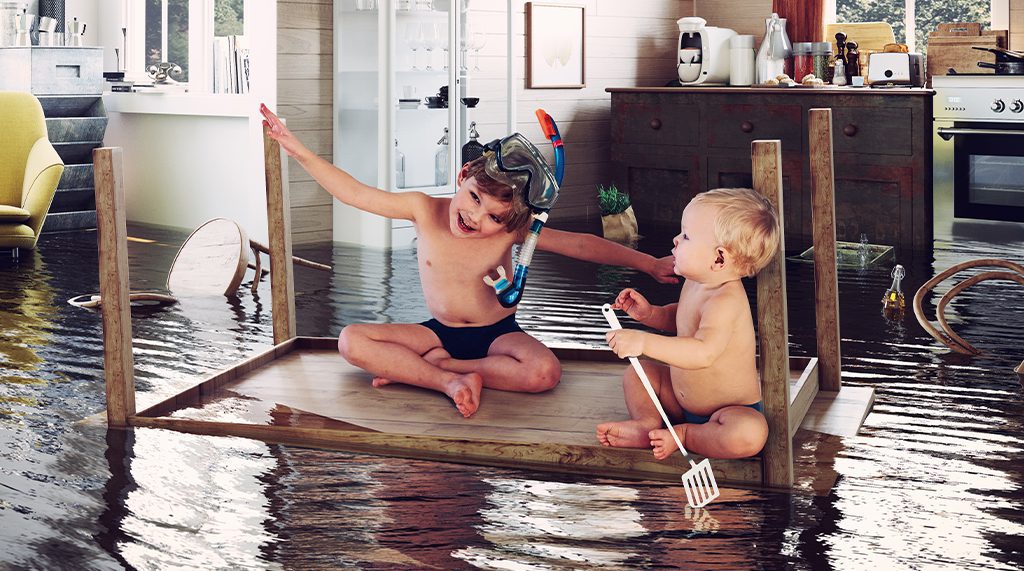
As schools open back up in the aftermath of Hurricane Ida, you’ve probably equipped your students with a new backpack, lunch box, outfits and an entire supply list provided by their teachers. But is preparing your child for a natural disaster anywhere on your back-to-school checklist?
While many across the state are still on the road to recovery, it’s important to remember that we are only halfway through hurricane season and that disaster can strike the same place twice. Responding to a natural disaster can be stressful and chaotic for everyone involved, especially your family’s smallest members.
Equipping your children with the proper knowledge and tools beforehand can help them feel safer and more comfortable throughout the response process. Preparing your family is as easy as 1-2-3…
-
Create a Natural Disaster Plan
The first step is to lay out a disaster plan for your family and to familiarize each member with its details:
- Designate an official meeting place should you get separated for any reason
- Create an emergency contact card, which includes your child’s name, medical information and address as well as a list of contact information for family members/close friends who can be counted on to provide care and assistance
- Educate your children about the types of disasters that are common to your area, like hurricanes, flooding, power outages, etc. so that they know the types of things that could trigger the plan
-
Pack the essentials.
Get a backpack that stands out for your child amongst other everyday bags – maybe it has a loud pattern, is a bold color or has a brightly-colored ribbon or reflective tape on it. Fill it with:
- First aid kit, including any prescription medications
- Personal toiletries like a toothbrush, toothpaste, shampoo, etc.
- Flashlight with extra batteries
- Wipes and hand sanitizer
- Bottled water (have one gallon per person per day)
- Non-perishable food items like trail mix, dried fruit, granola bars
-
Add small comfort items.
The essentials come first, but some extra things that your kids take comfort in will greatly help in easing any anxiety involved. Some items to consider include:
- Extra set of clothes, including socks and underwear
- At least $10 cash in small amounts to use for things like vending machines
- Favorite stuffed animal or blanket
- Activity book with crayons
- Quiet games like cards, puzzles, legos, etc.
Once your backpack is fully stocked, make sure your child knows exactly where it is and how to access it during a natural disaster, especially if you are not together when an emergency occurs.
Visit getagameplan.org for additional family preparedness tips, and explore GAGE’s other storm preparation resources to help your family prepare for severe weather.